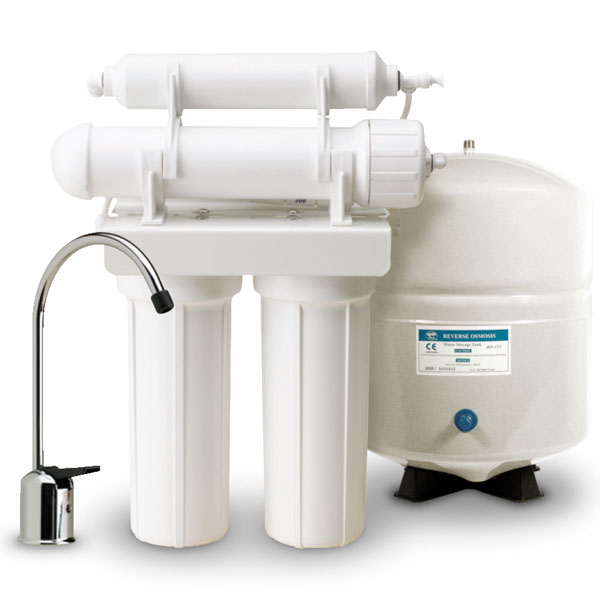
REVERSE OSMOSIS
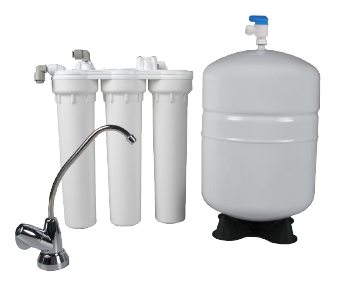
- 75GPD
- 3.2 gallons plastic tank w/hand valve (metal tank also available)
- White or clear housing
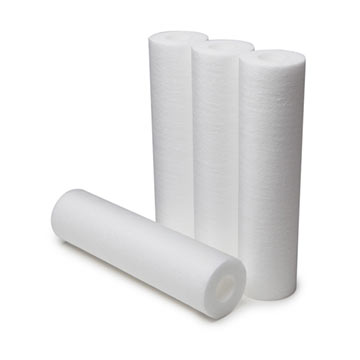
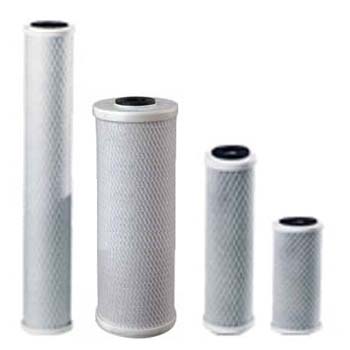
- 1st stage Sediment filter, 2nd stage Carbon filter
- Drain valve, saddle valve, chrome long reach faucet and shut-off valve included
- Available on manual or quick fittings
4
REVERSE OSMOSIS
5 STAGE
- 50 or 100 GPD
- 3.2 gallons plastic tank w/hand valve
- White or clear housing
- 1st stage Sediment filter, 2nd and 3rd stage Carbon block filters (other filtration media available upon request
- Drain valve, saddle valve, chrome long reach faucet and shut-off valve included
- Available on manual or quick fittings
5
Design of an RO system
Although the reverse osmosis process is simple, a complete water treatment system is often complex, mdepending on the quality of the incoming water before
treatment and the consumer’s needs. Most home RO systems are point-of-use (POU) units placed beneath the kitchen sink to treat water used for cooking and drinking. Point-of-entry (POE) systems that treat all the water entering the household are more expensive to purchase and operate than POU systems.
A typical home reverse osmosis system consists of pretreatment and post-treatment filters as well as the RO membrane, flow regulator, storage container for the treated water,
and dispensing faucet. The pressure for RO is usually supplied by the feed line pressure of the water system in the home, but abooster pump may be needed to produce an adequate
volume of treated water. A sediment pre-filter is essential for removing relatively large sand grains and silt that may tear or clog the RO membrane or clog a
pump or flow regulator. Water softeners are used in advance of the RO system when household water is excessively hard. If the water is chlorinated or contains
other oxidizing chemicals such as bromine, an activated carbon pre-filter is needed to protect membranes sensitive to these chemicals.